தமிழ் பிராமி Tamil Brahmi
தமிழின் முதல் எழுத்து வடிவம் Tamil's first writing system
Pulimankombai (புலிமான்கோம்பை) - 3
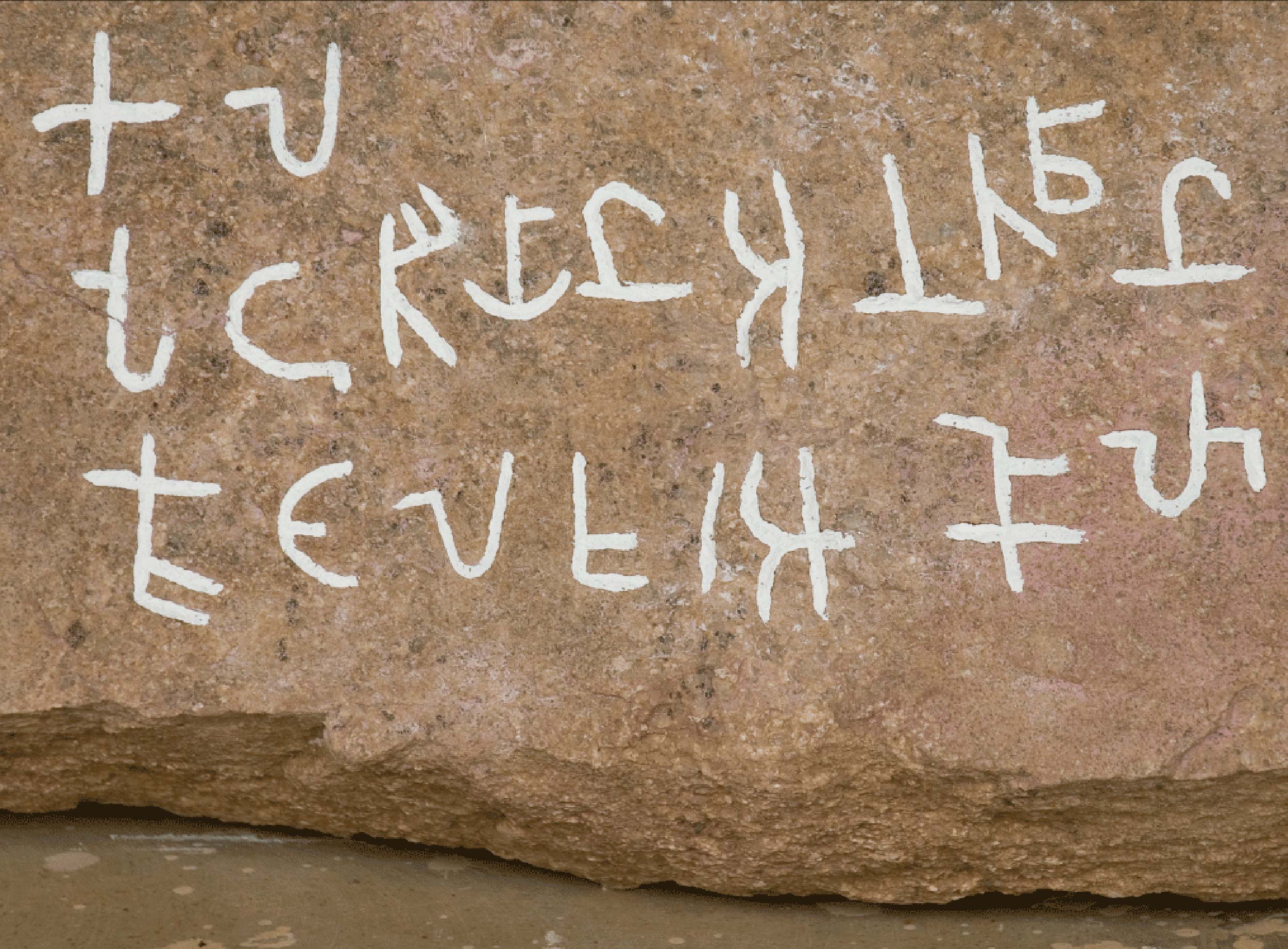
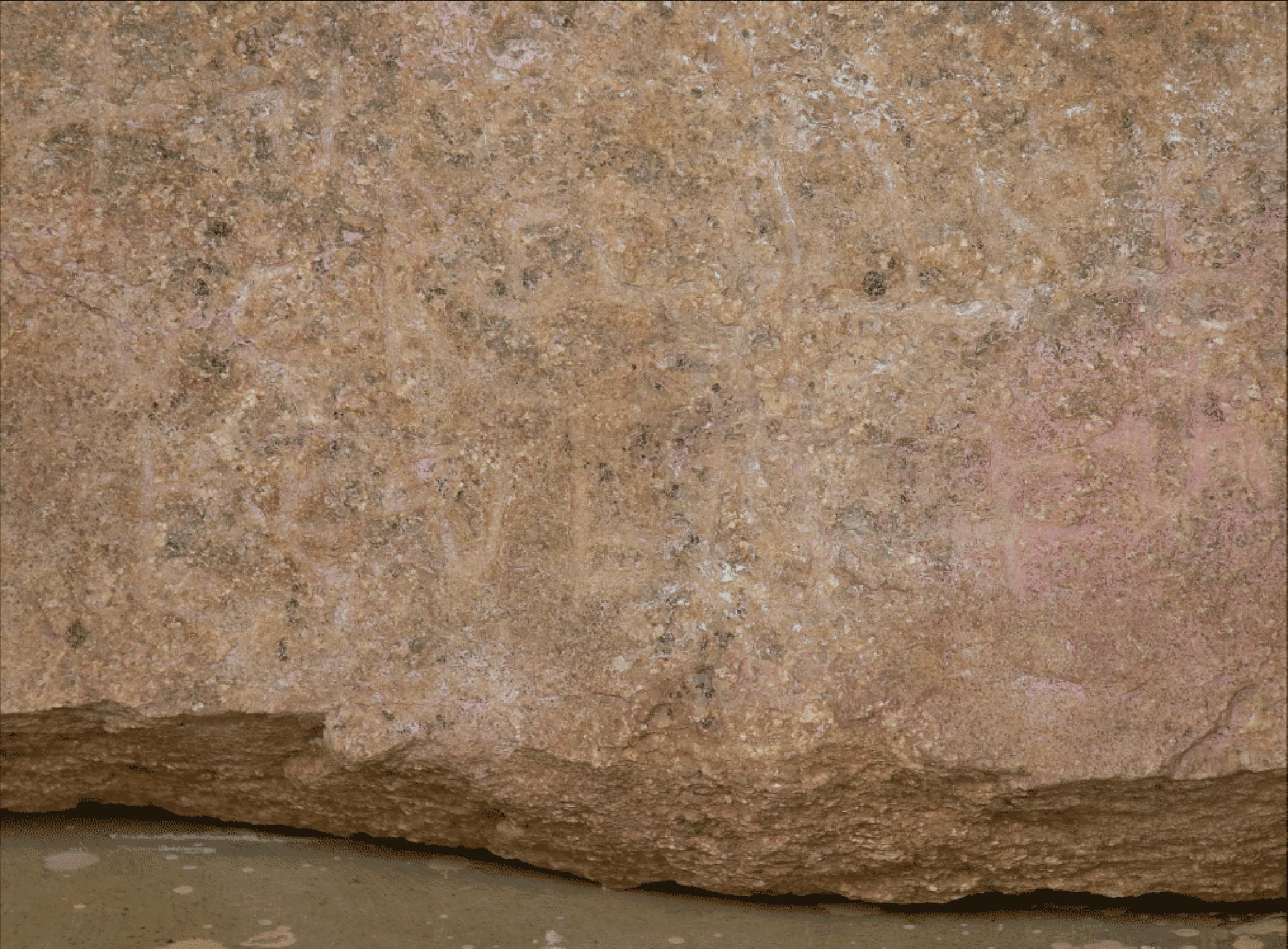
Move mouse over to magnify. Click to toggle between inscription and tracing. Click here to see Video File.
XXXI. Pulimankombai (புலிமான்கோம்பை) - 3
|
||
93.
|
A.
|
L. 1 kū ṭā la ū ra ā ko ḷa |
B.
|
L. 1 kūṭal-ūr2 ākōḷ3
L. 2 peṭu4 tīyaṉ antavaṉ5 L. 3 kal6 |
|
அ.
|
வரி. 1 கூ டா ல ஊ ர ஆ கொ ள
வரி. 2 பெ டு தீ யா ன அ ந த வா ன வரி. 3 க ல |
|
ஆ.
|
வரி. 1 கூடல்ஊர் ஆகோள் வரி. 2 பெடு தீயன் அந்தவன் வரி. 3 கல் |
|
Translation
|
The (memorial) stone (of) Tīyaṉ Antavaṉ who died (peṭu) (during) the cattle-raid (ākōḷ) (at) Kūṭalūr.
|
|
Locus
|
Engraved along the length of a megalithic menhir found in an urn-burial field at Pulimankombai. Presently in the collections of the Department of Epigraphy, Tamil University, Thanjavur (Rajan et al 2006). The inscription appears to be complete even though the menhir is broken. When the menhir was still standing, the order of lines was from right to left, each line running from the base towards the top. The lines have been read in the reverse order by Rajan et al.
|
|
No. of lines
|
3
|
|
Length
|
Dimensions: about 90 cm. in height and 30 t0 45 cm. in width.
(Measurements of the extant stone, Rajan et al 2006)
|
|
Date
|
ca. 1st century B.C.E.
|
|
Notes
|
1. The letter vā was at first omitted by the scribe while engraving the name and added later.
2.
kūṭal-ūr. A place name in two segments.
3. ākōḷ 'cattle-raid'. cf. LT ā 'cow, cattle'; kōḷ 'seizing'; ākōḷ 'cattle-raid' (Tol. Poruḷ. 20:3).
4. peṭu (LT paṭu) 'one who died'. Rajan et al read pēṭu 'village'. See ETE 2, Commentary (93.2).
5. tīyaṉ antavaṉ. A composite personal name. Alternatively, tīyaṉ 'one belonging to the Tīyar clan'. See ETE 2, Commentary (93.3).
6. kal 'stone'; in the present context, a naṭukal (memorial stone or herostone). See ETE 2, Commentary (93.4).
|
|
Field Notes
|
||